
 New World Screwworm Alert: What Texas Animal Owners Need to Know
Central TX Equine / The Whole Horse Veterinary Clinic
6448 Highway 71 • Garwood, TX 77442
(979) 243-4969 • www.thewholehorse.com
The Threat Is Getting Closer
Cases of New World Screwworm (NWS) have been confirmed in northern Mexico—less than 100 miles from the Texas border.
This parasite poses a serious threat to livestock, horses, pets, and wildlife.
Although the U.S. successfully eradicated the screwworm decades ago, the ongoing outbreak in Mexico has been steadily moving north. Texas officials and the USDA are on high alert and preparing emergency response plans to prevent re-entry into the United States.
What Is the New World Screwworm?
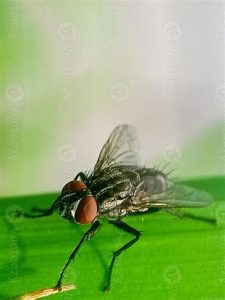
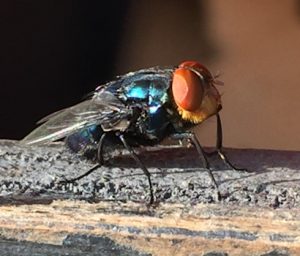
The New World Screwworm (Cochliomyia hominivorax) is a flesh-eating fly whose larvae feed on living tissue.
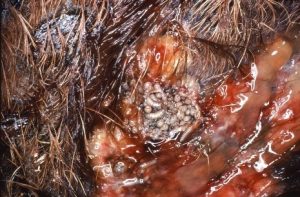
Female flies lay eggs in fresh wounds or mucous membranes—such as the eyes, nose, navel, or minor skin abrasions. Within 24 hours, the eggs hatch into larvae that burrow into the flesh, causing painful, rapidly expanding wounds that can become life-threatening if untreated.
 Signs to Watch For
Inspect your animals closely—especially around:
-
Fresh wounds, scratches, or branding/dehorning sites
-
The umbilical (navel) area in newborns
-
Mucous membranes (eyes, ears, nose, mouth)
Warning signs include:
-
Wounds that worsen rapidly or don’t heal
-
Presence of maggots or larvae in a wound
-
Foul odor or bloody discharge
-
Swelling, redness, or restlessness
-
Tissue appearing soft or “tunneled” beneath the skin
 What To Do If You Suspect Screwworm
-
Isolate the affected animal immediately.
-
Call your veterinarian for evaluation and wound management.
-
Do not move animals on or off your property until advised.
-
Report suspected cases to the Texas Animal Health Commission (TAHC): 1-800-550-8242.
-
If possible, collect larvae specimens in a sealed container for diagnostic confirmation (ask your vet for instructions).
Treatment & Prevention
Treatment involves:
-
Immediate removal of larvae and thorough wound cleaning
-
Topical insecticide application under veterinary supervision
-
Systemic antiparasitic medication (such as doramectin or ivermectin)
-
Antibiotics or pain relief as needed
Prevention is key:
-
Inspect animals daily
-
Treat and cover any wounds promptly
-
Use approved insect repellents and wound sprays
-
Maintain good fly control and sanitation practices on your property
Note: Credelio (lotilaner) chewable tablets have been conditionally approved for use in dogs.
 Stay Alert and Report Early
Screwworm infestations can devastate herds and wildlife populations quickly.
By remaining observant and reporting suspicious cases, animal owners play a vital role in keeping Texas free of this dangerous pest.
Central TX Equine / The Whole Horse Veterinary Clinic
6448 Highway 71 • Garwood, TX 77442
(979) 243-4969 • www.thewholehorse.com